Valve Repair & Valve Replacement Surgery in Kanpur
Valve Repair & Valve Replacement Surgery in Kanpur are important treatment options for heart valve conditions. Dr Saeed Akhtar provides evaluation and guidance on suitable surgical treatments.
What is Valve Repair & Valve Replacement Surgery?
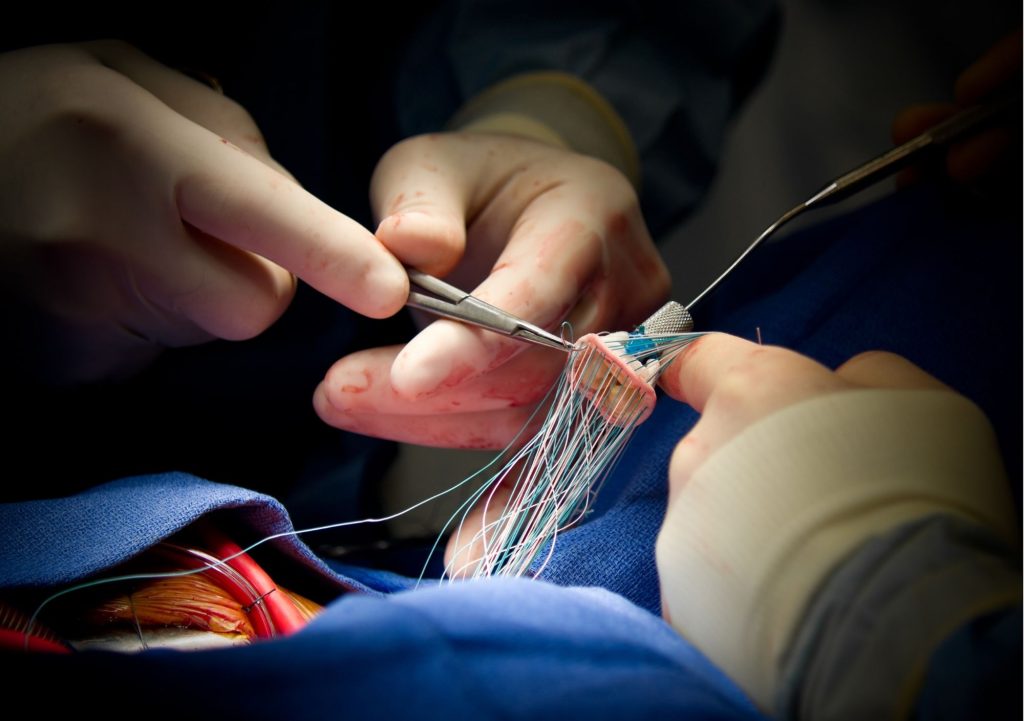
Valve repair surgery is performed to restore the function of a damaged or abnormal heart valve while preserving the patient’s own valve whenever appropriate. Valve replacement surgery involves replacing a diseased heart valve with an artificial or biological replacement valve when repair is not suitable.
The heart has four valves—mitral, aortic, tricuspid, and pulmonary—which help maintain one-way blood flow through the heart. Valve disease may cause a valve to become narrowed (stenosis) or allow blood to flow backward (regurgitation).
Symptoms of Heart Valve Disease
Heart valve problems may cause symptoms such as:
- Shortness of breath, particularly during activity
- Fatigue or reduced energy
- Chest discomfort or pain
- Palpitations or irregular heartbeat
- Dizziness or fainting
- Swelling of the legs, ankles, or abdomen
- Reduced ability to exercise
- Breathlessness while lying down
- Persistent cough in some cases
- Heart murmur detected during a medical examination
Some people with valve disease may have few or no symptoms during the early stages.
Causes and Risk Factors
Common risk factors include:
- Age-related changes in heart valves
- Congenital valve abnormalities
- Rheumatic heart disease
- Infection of the heart valves, such as infective endocarditis
- Degenerative valve disease
- Previous heart conditions or surgery
- Certain connective-tissue disorders
- Other cardiovascular conditions
Risk factors vary depending on the type of valve disease and may include increasing age, family history, previous infections, and certain underlying medical conditions.
About Dr. Saeed Akhtar
Dedicated to Advanced Cardiac & Vascular Surgical Care
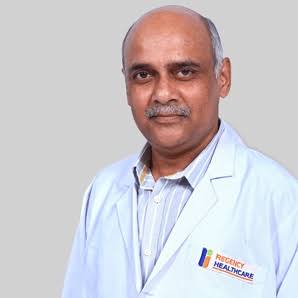
Dr. Saeed Akhtar is an experienced Cardiothoracic & Vascular Surgeon in Kanpur, with more than 35 years of experience in cardiac and vascular surgical care.
He is associated with Regency Hospital, Kanpur, where he serves as Chief Cardiac Surgeon. His areas of surgical expertise include Coronary Artery Bypass Grafting (CABG), Off-Pump Coronary Artery Bypass (OPCAB), beating-heart surgery, valve repair and replacement, thoracic surgery and vascular procedures.
Frequently Asked Questions
Find clear answers to common questions about Dr. Saeed Akhtar, cardiothoracic and vascular surgery, cardiac procedures, consultations, and specialized heart care in Kanpur.
What is heart valve repair and valve replacement surgery?
Heart valve repair is a procedure to correct a damaged or malfunctioning heart valve. Valve replacement surgery involves replacing the affected valve with an artificial or biological valve when repair is not suitable.
When is heart valve surgery necessary?
Heart valve surgery may be recommended when a valve becomes too narrow (stenosis) or leaks significantly (regurgitation), affecting blood flow or heart function. The decision depends on the severity of the condition and the patient’s overall health.
What are the common symptoms of heart valve problems?
Common symptoms include breathlessness, chest discomfort, fatigue, dizziness, swollen ankles, and an irregular heartbeat. Persistent or worsening symptoms should be evaluated by a qualified doctor.
What is the difference between valve repair and valve replacement?
Valve repair preserves the patient’s existing valve by correcting the problem, while valve replacement substitutes the damaged valve with a new one. The most suitable approach depends on the valve condition and medical assessment.
How long does recovery take after heart valve surgery?
Recovery varies depending on the type of surgery, the patient’s general health, and whether the procedure is minimally invasive or open-heart surgery. Your surgeon will provide guidance on hospital stay, activity restrictions, and follow-up care.
Who can I consult for valve repair or replacement surgery in Kanpur?
You can contact Dr. Saeed Akhtar, a senior chief cardiac surgeon in Kanpur, for a consultation regarding heart valve conditions and to discuss suitable surgical options based on your diagnosis.
What precautions are needed after heart valve replacement surgery?
Follow your surgeon’s instructions, attend regular follow-up appointments, and take prescribed medications as directed. Some mechanical valves require lifelong blood-thinning medication and regular monitoring, while requirements vary by valve type and individual circumstances.