Congenital Heart Defect Surgery in Kanpur
Congenital Heart Defect Surgery in Kanpur is an important area of cardiac surgical care. Dr. Saeed Akhtar provides evaluation and guidance on suitable treatment options for congenital heart conditions.
What is Congenital Heart Defect Surgery?
Congenital heart defect surgery is a surgical procedure used to repair or correct certain structural abnormalities of the heart or major blood vessels that are present from birth.
Congenital defects may involve the heart’s chambers, valves, walls, or major blood vessels. Examples include atrial septal defect (ASD), ventricular septal defect (VSD), tetralogy of Fallot, and certain congenital valve or vessel abnormalities.
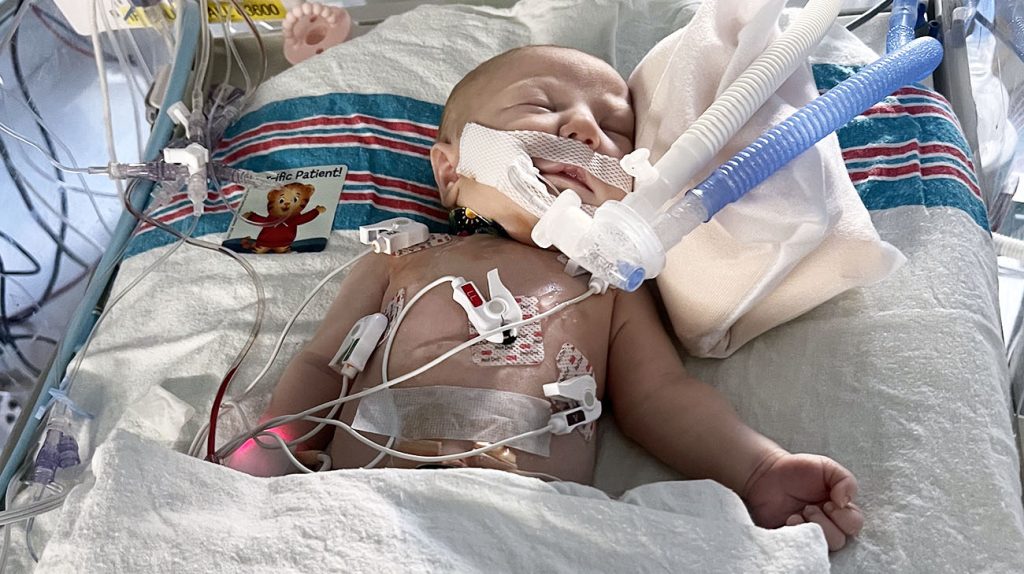
Symptoms of Congenital Heart Defects
Symptoms can vary significantly depending on the type and severity of the defect. Possible symptoms include:
- Shortness of breath
- Fatigue or weakness
- Bluish or greyish skin, lips, or nails
- Rapid breathing
- Poor feeding or difficulty feeding in infants
- Poor weight gain or growth
- Recurrent respiratory infections
- Fast or irregular heartbeat
- Swelling of the legs or abdomen
- Reduced ability to tolerate physical activity
- Heart murmur detected during examination
Symptoms of Congenital Heart Defects
Possible risk factors include:
- Family history of congenital heart defects
- Certain genetic or chromosomal conditions
- Maternal diabetes during pregnancy
- Certain infections during pregnancy
- Exposure to some medicines or harmful substances during pregnancy
- Smoking or alcohol exposure during pregnancy
- Certain maternal health conditions
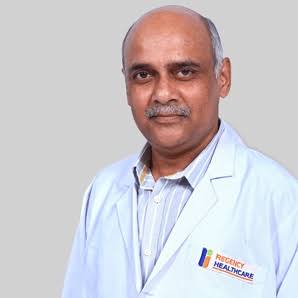
About Dr. Saeed Akhtar
Dedicated to Advanced Cardiac & Vascular Surgical Care
Dr. Saeed Akhtar is an experienced Cardiothoracic & Vascular Surgeon in Kanpur, with more than 35 years of experience in cardiac and vascular surgical care.
He is associated with Regency Hospital, Kanpur, where he serves as Chief Cardiac Surgeon. His areas of surgical expertise include Coronary Artery Bypass Grafting, Off-Pump Coronary Artery Bypass, beating-heart surgery, valve repair & replacement, thoracic surgery & vascular procedures.
Frequently Asked Questions
Find clear answers to common questions about Dr. Saeed Akhtar, cardiothoracic and vascular surgery, cardiac procedures, consultations, and specialized heart care in Kanpur.
What is a congenital heart defect?
A congenital heart defect is a structural problem with the heart or its major blood vessels that is present from birth. It may affect how blood flows through the heart and can range from mild to complex.
What are the common symptoms of congenital heart defects?
Symptoms may include difficulty breathing, bluish discoloration of the lips or skin, poor feeding, fatigue, poor growth, or frequent respiratory infections. Some defects may not cause noticeable symptoms initially.
When is congenital heart defect surgery necessary?
Surgery may be recommended when a heart defect significantly affects blood flow, oxygen levels, heart function, or a child’s growth. The decision depends on the type and severity of the defect and specialist assessment.
What types of congenital heart defects can require surgery?
Some defects that may require surgical treatment include complex septal defects, abnormalities of the heart valves, and certain congenital abnormalities of the major blood vessels. Treatment depends on the specific diagnosis.
Is congenital heart defect surgery safe for children?
The risks depend on the child’s age, overall health, and the complexity of the defect. A specialist team evaluates each case and explains the expected benefits, risks, and recovery process before treatment.
Who can I consult for congenital heart defect surgery in Kanpur?
You can contact Dr. Saeed Akhtar in Kanpur to enquire about cardiac surgical consultation and the appropriate referral or treatment pathway for congenital heart defects.
How long does recovery take after congenital heart defect surgery?
Recovery varies depending on the type of defect, the procedure performed, and the patient’s age and health. Follow-up appointments, prescribed medications, and the medical team’s instructions are important for recovery.