
Dr. Saeed Akhtar is a highly experienced cardiac surgeon specializing in advanced heart procedures, providing expert care in cardiac surgery and patient-focused treatment.
| Mon - Fri: | 5:00 pm - 7:00 pm |
| Saturday: | Closed |
| Sunday: | Closed |
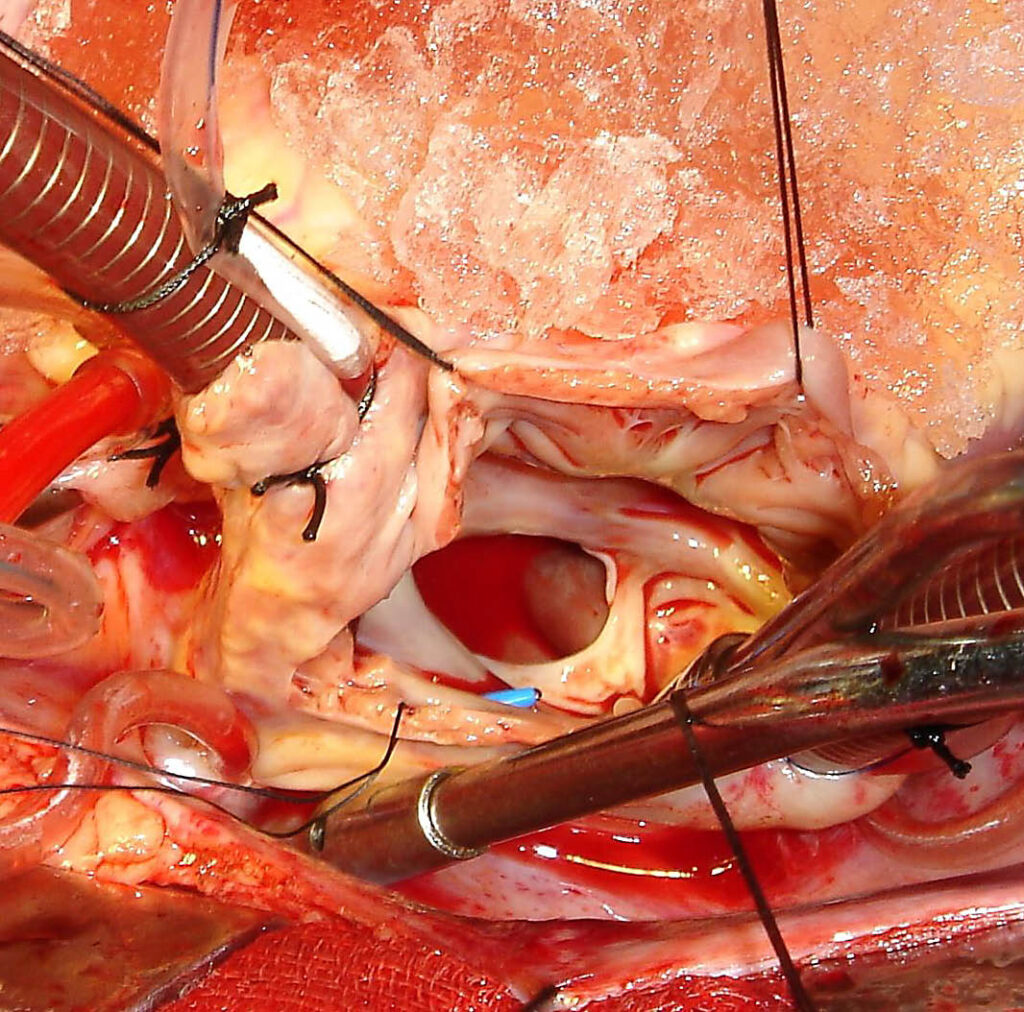
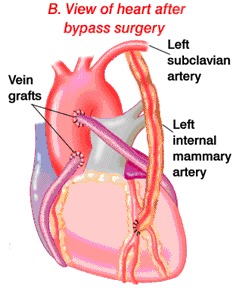
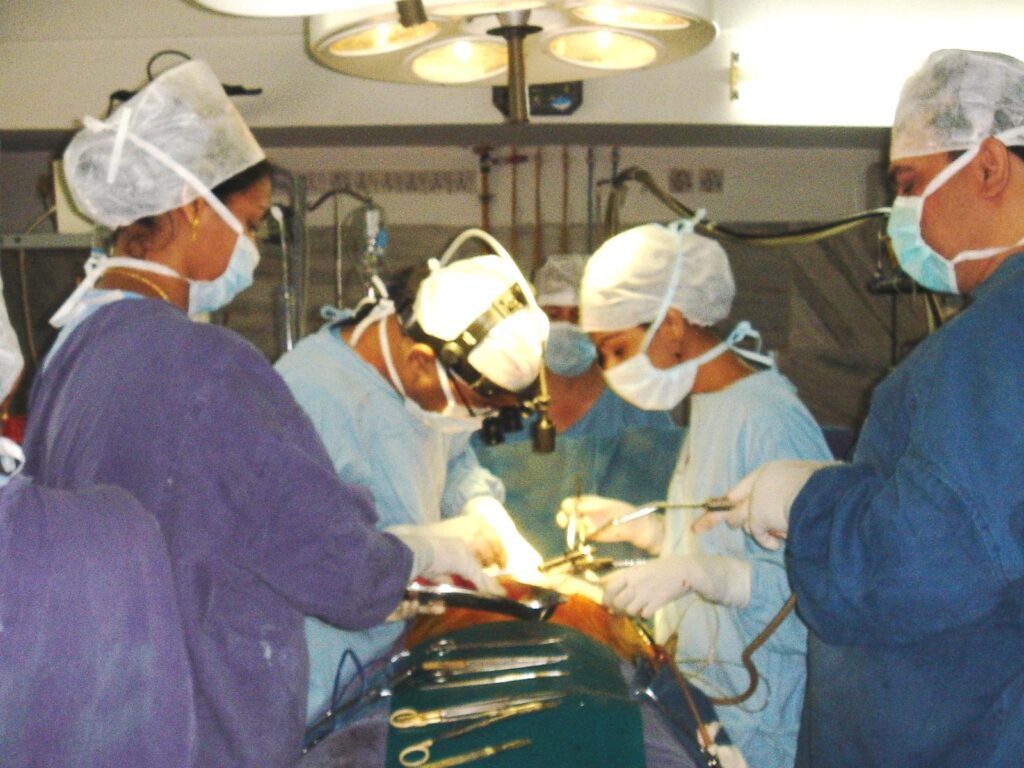
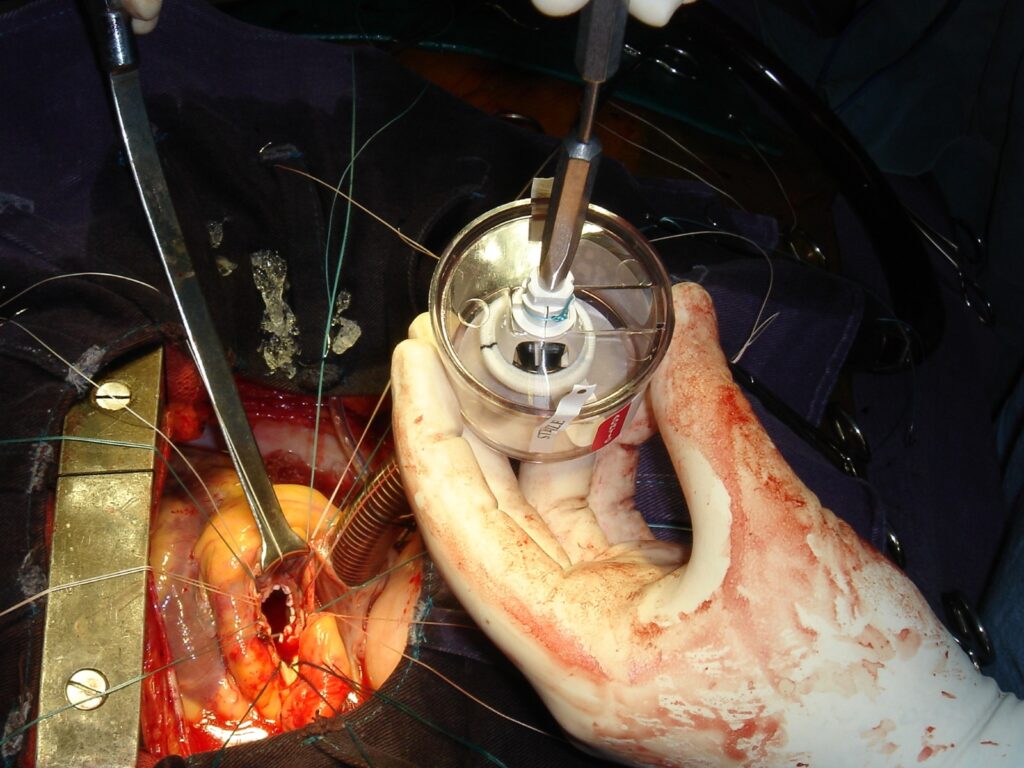
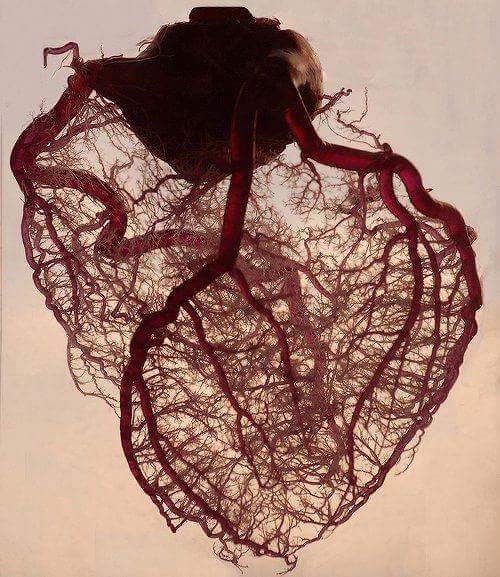
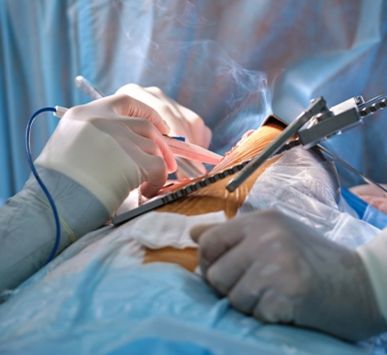
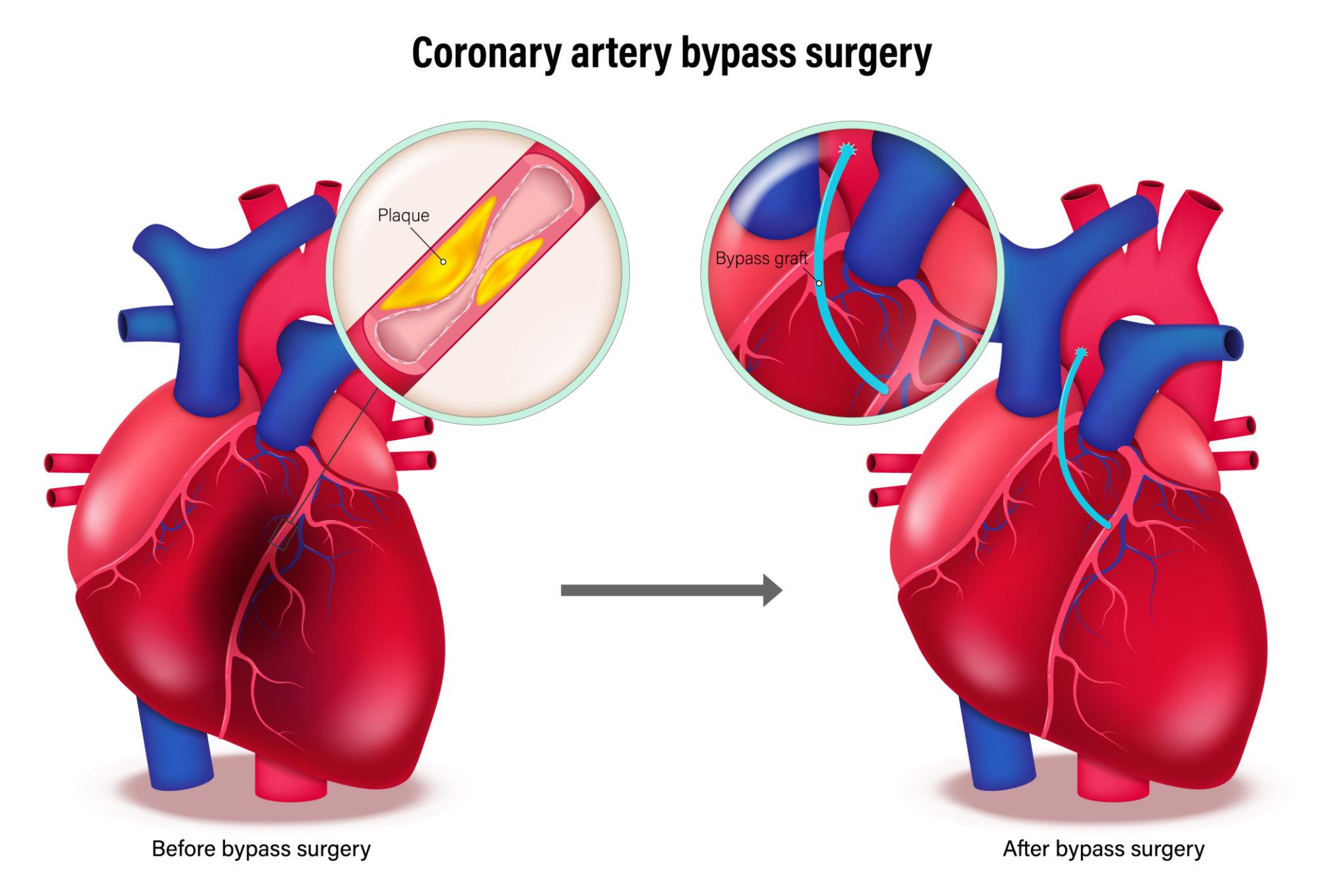
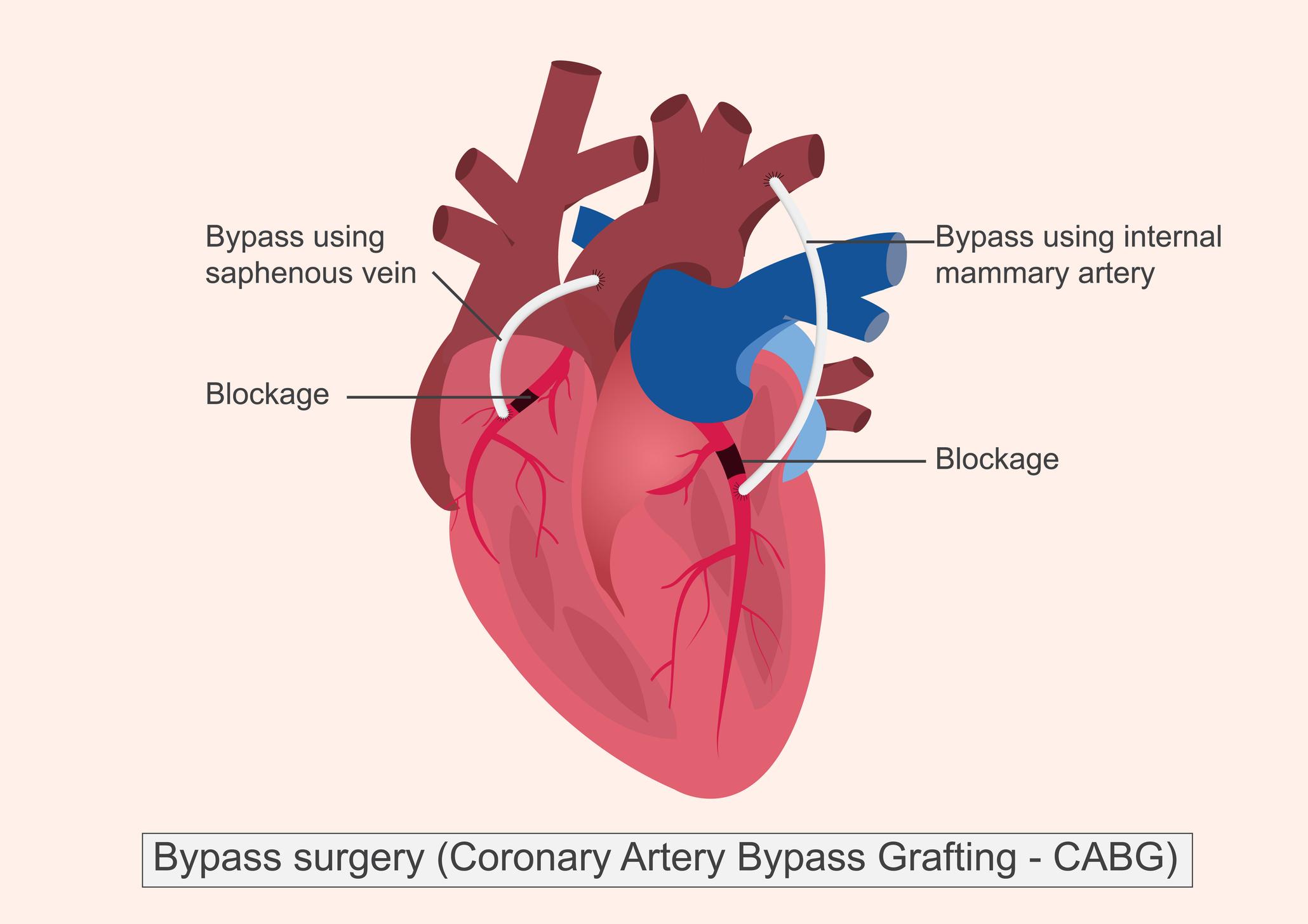
Coronary Artery Bypass Surgery (CABG) is a major heart surgery used to treat Coronary Artery Disease. In this procedure, a healthy blood vessel is taken from another part of the body and used to create a new pathway around blocked or narrowed coronary arteries. This improves blood flow and oxygen supply to the heart muscle.
CABG is one of the most common and effective treatments for severe heart artery blockages and helps reduce chest pain, improve heart function, and lower the risk of heart attacks.
Doctors may recommend CABG surgery when:
Patients may experience:
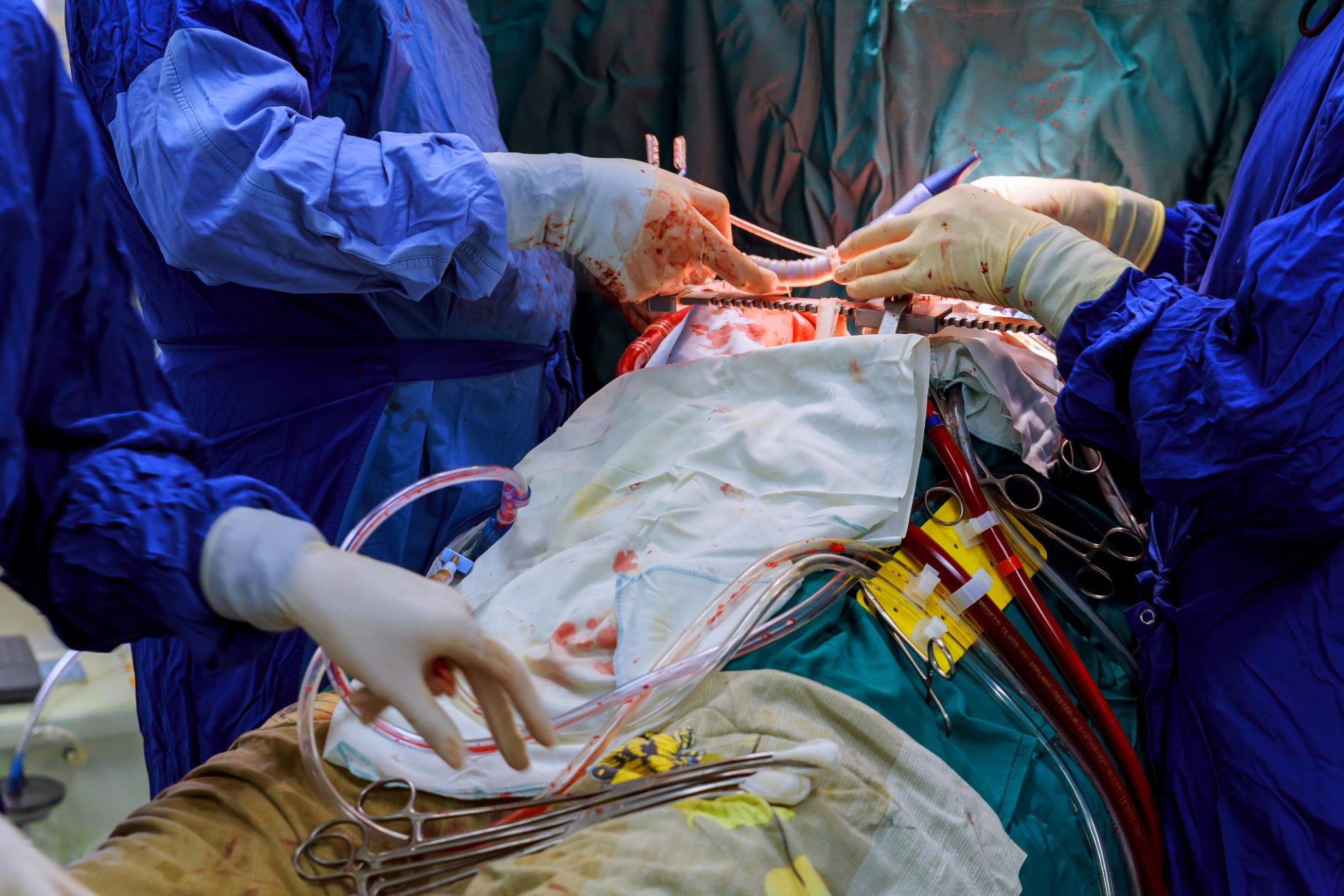
During the surgery:
The surgery may be performed:
Recovery usually includes:
Patients are advised to:
Like any major surgery, CABG may involve some risks, including:
However, with experienced cardiac surgeons and modern techniques, CABG surgery is generally safe and highly successful.
Dr. Saeed Akhtar and specialized cardiac surgery teams perform CABG procedures using advanced surgical techniques and patient-focused care for better recovery and long-term heart health.
| Mon - Sat: | 10:00 am To 2:00 pm(Regency Hospital) |
| Mon - Fri: | 5:00 pm To 7:00 pm(Clinic) |
| Sat-Sun: | Closed (Clinic) |
| Sunday: | Closed (Regency Hospital) |
Copyright © 2026 Dr. Saeed Akhtar Designed By Chitransh Digital Agency Rewa
WhatsApp us