How the Surgery is Performed
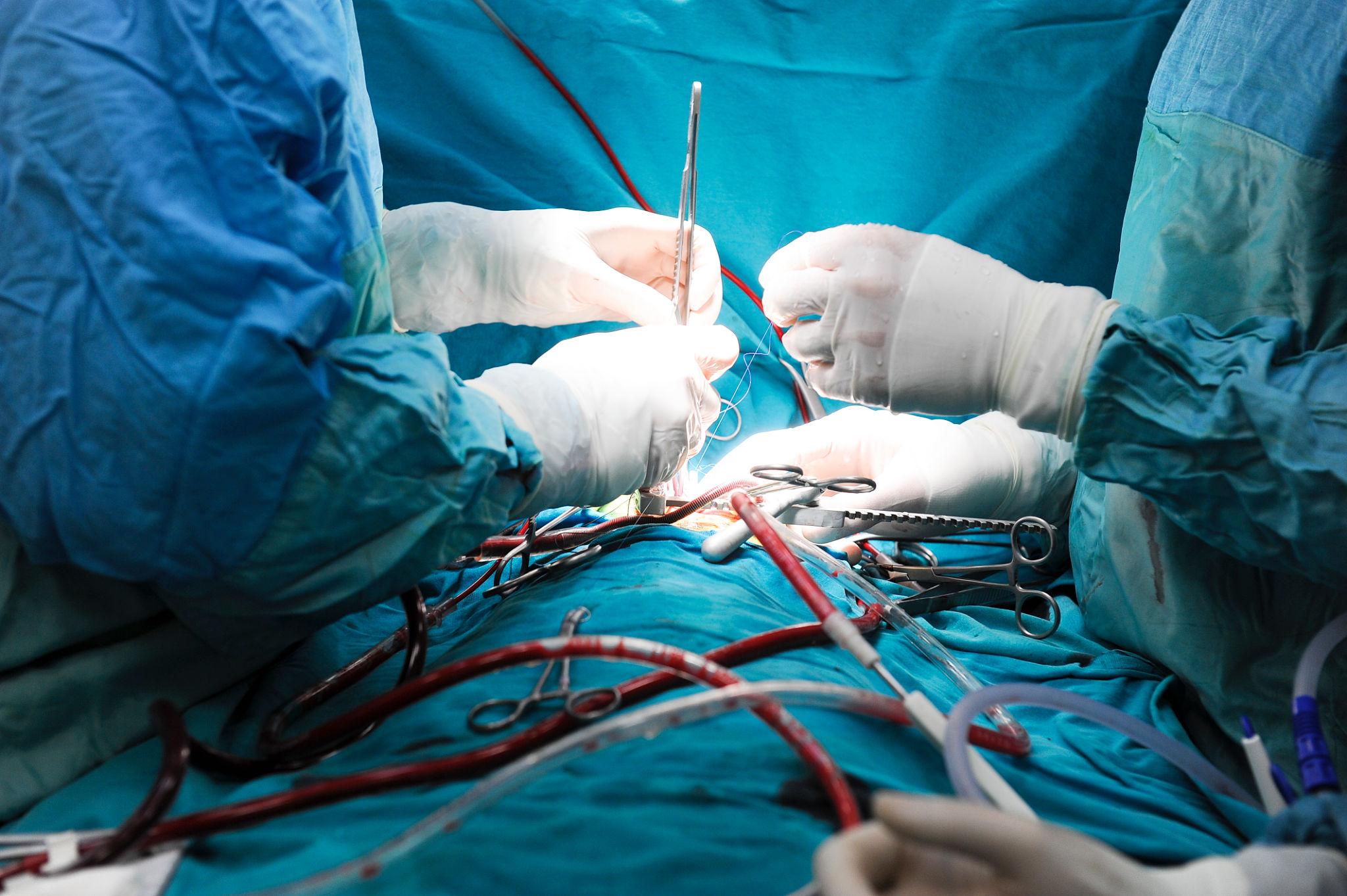
During the procedure:
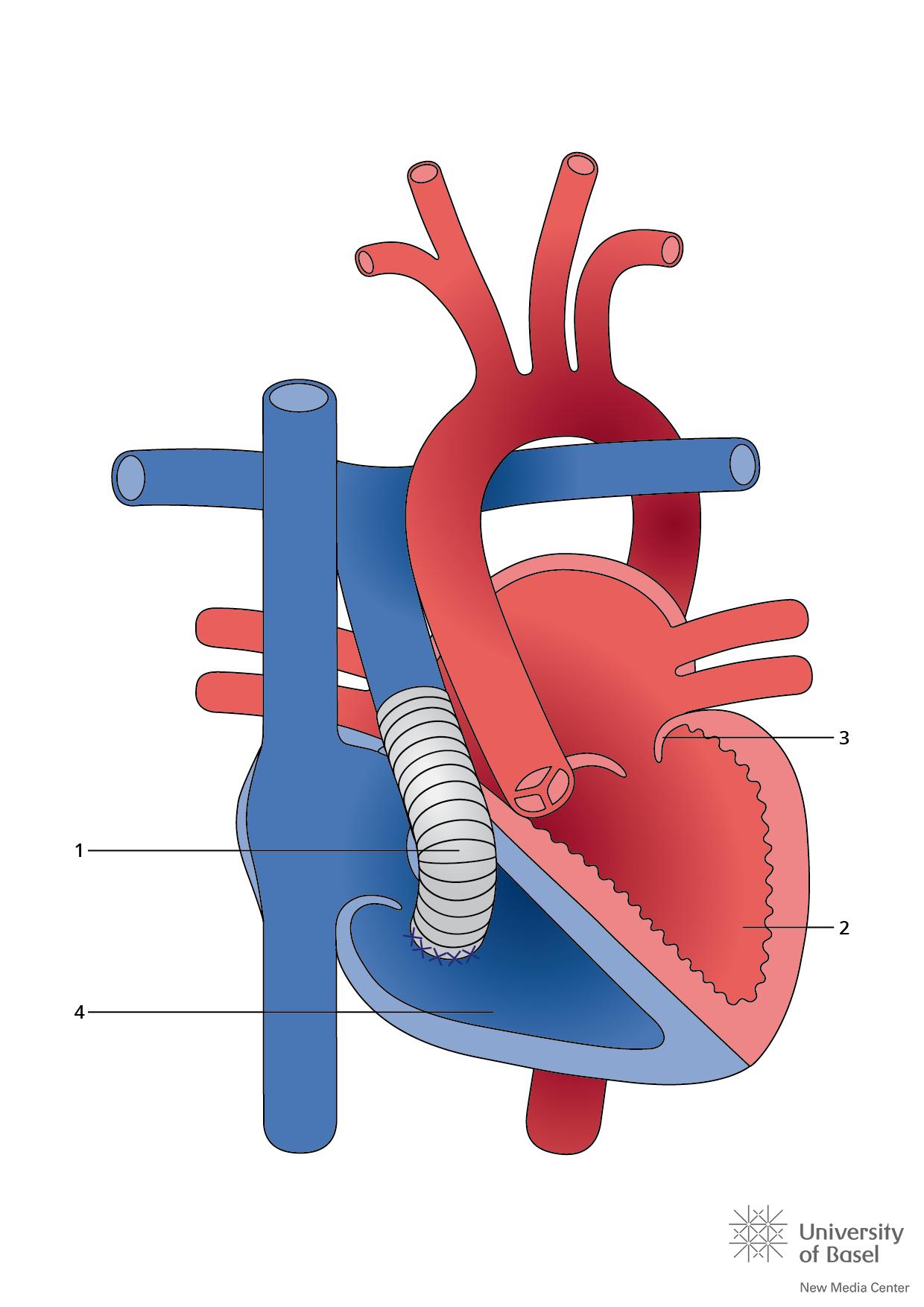
- The surgeon identifies the structural defect in the heart.
- The abnormal opening, valve, or vessel is repaired or reconstructed.
- In some cases, patches or special devices are used to close defects.
- Blood flow and heart function are restored to normal levels.
The surgery approach depends on the type and complexity of the defect.
Benefits of Congenital Heart Surgery
- Improves heart function and blood circulation
- Helps maintain normal oxygen levels
- Reduces symptoms and complications
- Supports healthy growth and development
- Improves quality of life and long-term health
Recovery After Surgery
Recovery usually includes:
- ICU monitoring after surgery
- Hospital stay for observation and recovery
- Regular follow-up with cardiac specialists
- Gradual return to normal activities
Many patients can lead healthy and active lives after successful treatment.
Risks and Complications
Possible risks may include:
- Infection
- Bleeding
- Irregular heartbeat
- Blood clots
- Rare complications related to heart function
Advanced surgical techniques and experienced cardiac care teams help reduce these risks significantly.
Expert Cardiac Care
Dr. Saeed Akhtar provides specialized care for congenital heart defects using advanced surgical methods focused on safety, precision, and long-term heart health.