Minimally Invasive Cardiac Surgery in Kanpur
Minimally Invasive Cardiac Surgery in Kanpur may be an option for selected patients with certain heart conditions. Dr Saeed Akhtar provides evaluation and guidance on suitable surgical approaches.
What is Minimally Invasive Cardiac Surgery?
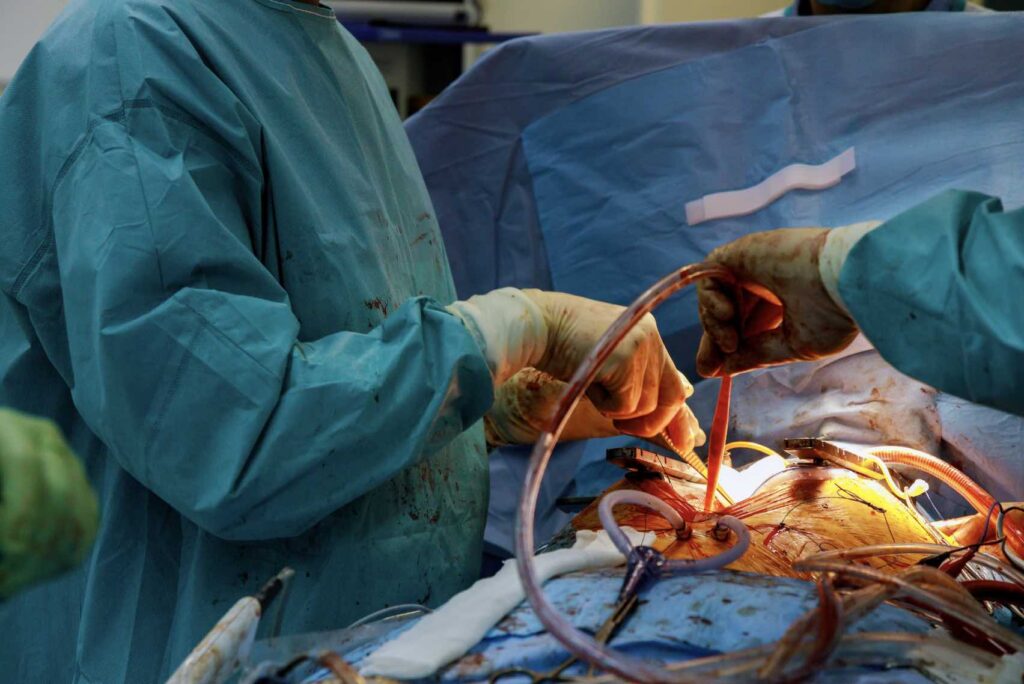
Minimally invasive cardiac surgery is a surgical approach in which certain heart procedures are performed through smaller incisions, often between the ribs, instead of a traditional large chest incision.
It may be considered for selected procedures involving the heart valves, coronary arteries, or other cardiac structures. The exact technique depends on the condition being treated, the patient’s anatomy, and the surgeon’s assessment.
Symptoms That May Lead to Cardiac Surgery
Common symptoms may include:
- Chest pain or pressure
- Shortness of breath
- Persistent fatigue
- Palpitations or irregular heartbeat
- Dizziness or fainting
- Reduced ability to perform physical activities
- Swelling in the legs or ankles
- Breathlessness while lying down
- Recurrent symptoms related to heart valve disease
The symptoms and treatment depend on the underlying cardiac condition.
Symptoms That May Lead to Cardiac Surgery
Common risk factors include:
- Coronary artery disease
- Heart valve disease
- Certain congenital heart conditions
- Structural heart abnormalities
- Some conditions affecting the heart or nearby vessels
Factors such as age, overall health, previous cardiac procedures, lung disease, obesity, diabetes, and other medical conditions may influence whether a patient is suitable for a minimally invasive approach.
About Dr. Saeed Akhtar
Dedicated to Advanced Cardiac & Vascular Surgical Care
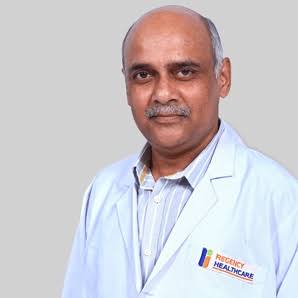
Dr. Saeed Akhtar is an experienced Cardiothoracic & Vascular Surgeon in Kanpur, with more than 35 years of experience in cardiac and vascular surgical care.
He is associated with Regency Hospital, Kanpur, where he serves as Chief Cardiac Surgeon. His areas of surgical expertise include Coronary Artery Bypass Grafting (CABG), Off-Pump Coronary Artery Bypass (OPCAB), beating-heart surgery, valve repair and replacement, thoracic surgery and vascular procedures.
Frequently Asked Questions
Find clear answers to common questions about Dr. Saeed Akhtar, cardiothoracic and vascular surgery, cardiac procedures, consultations, and specialized heart care in Kanpur.
What is minimally invasive cardiac surgery?
Minimally invasive cardiac surgery involves performing certain heart operations through smaller incisions than those used in conventional open-heart surgery. Depending on the procedure, it may reduce tissue disruption and support recovery.
What conditions can be treated with minimally invasive cardiac surgery?
Selected patients may undergo minimally invasive procedures for heart valve repair or replacement, certain congenital heart conditions, and other cardiac problems. Suitability depends on the diagnosis and the patient’s overall health.
What are the benefits of minimally invasive cardiac surgery?
Potential benefits include smaller incisions, less postoperative discomfort, reduced blood loss, and a shorter hospital stay for some patients. Outcomes vary depending on the procedure and individual circumstances.
Is minimally invasive cardiac surgery suitable for every patient?
No. The suitability of this approach depends on the type and complexity of the heart condition, previous surgeries, overall health, and other medical factors. A cardiac surgeon can determine the most appropriate technique.
How long does recovery take after minimally invasive cardiac surgery?
Recovery varies according to the procedure and the patient’s health. Some patients resume normal activities sooner than after conventional surgery, but recovery instructions and activity restrictions should always be followed.
Who can I consult for minimally invasive cardiac surgery in Kanpur?
You can contact Dr. Saeed Akhtar in Kanpur to enquire about cardiac surgical consultation and whether a minimally invasive approach may be suitable for your condition.
Is minimally invasive cardiac surgery safer than traditional open-heart surgery?
Minimally invasive surgery may offer advantages for appropriately selected patients, but it is not automatically safer or better for everyone. The best approach depends on the condition, the patient’s health, and the surgeon’s clinical assessment.