How the Procedure is Performed
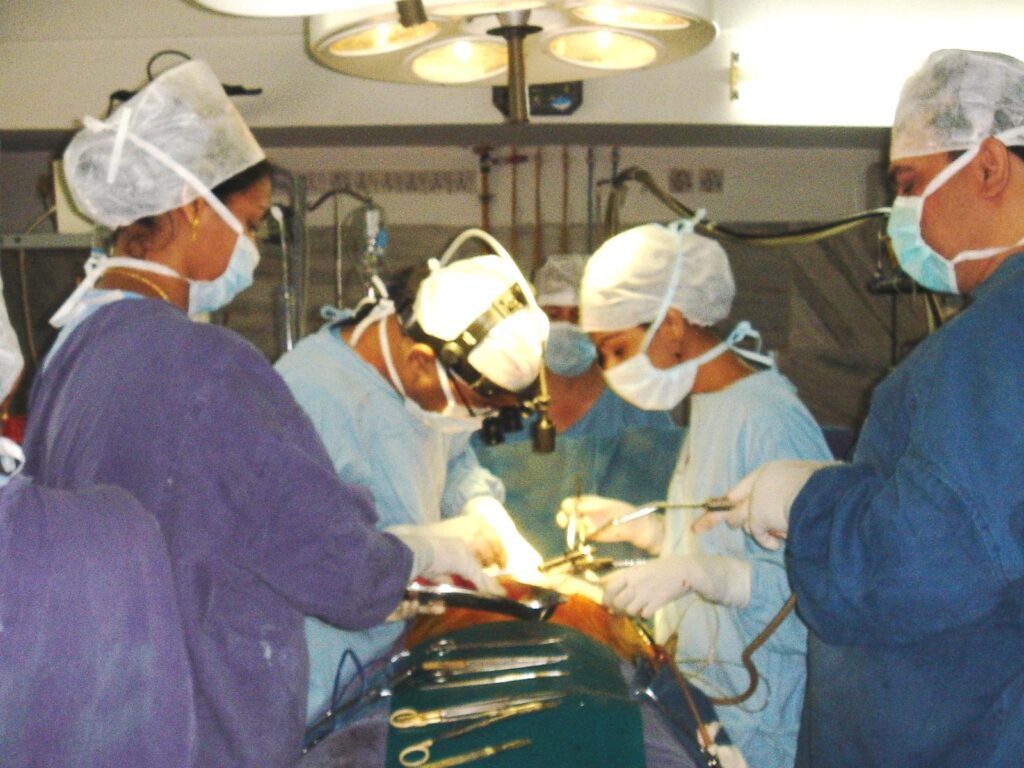
During the procedure:
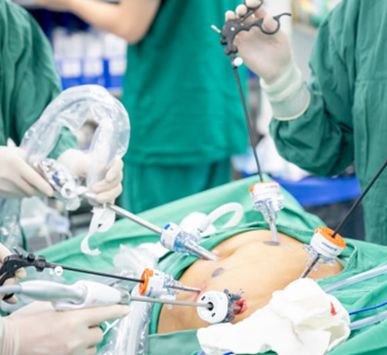
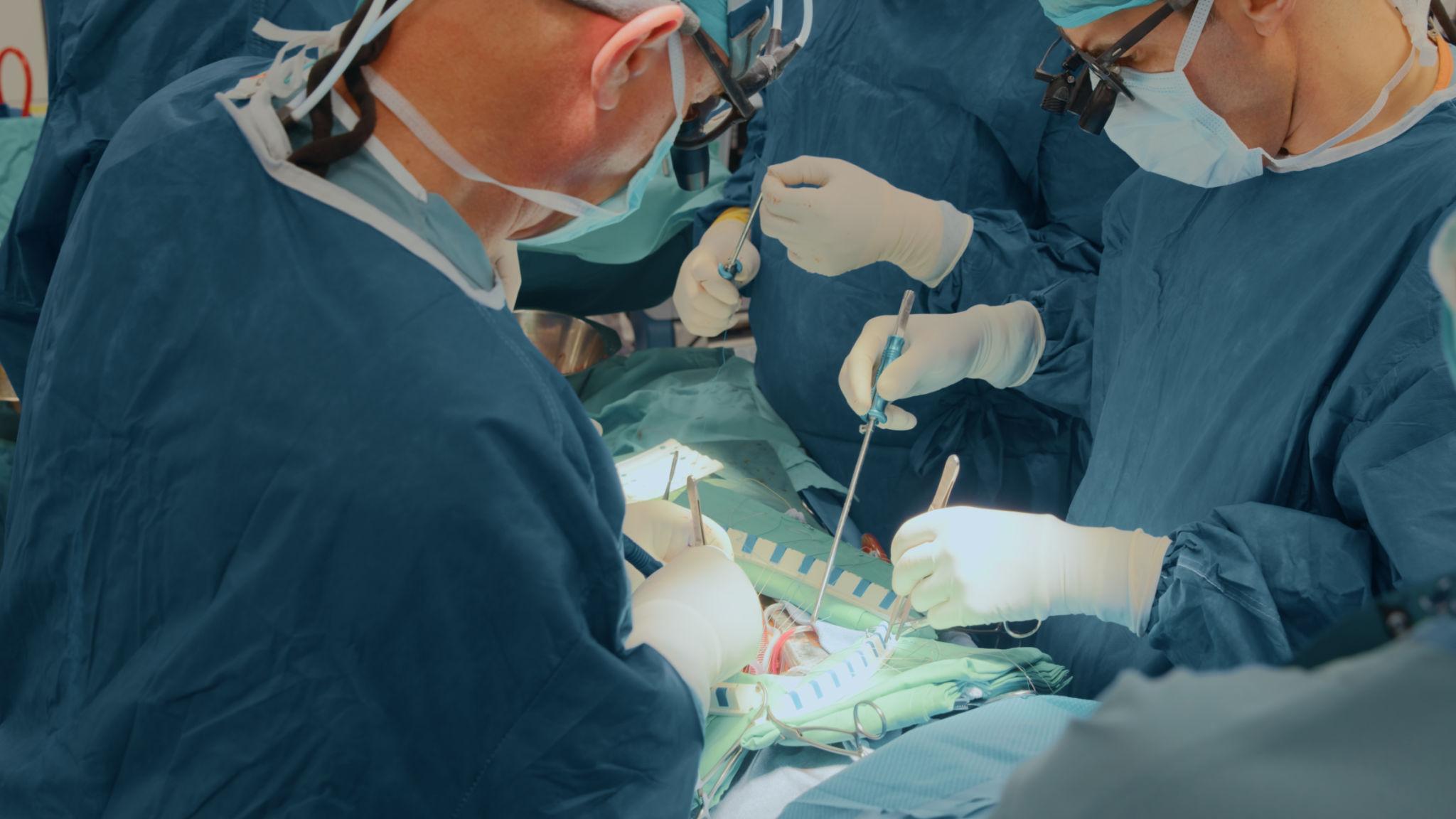
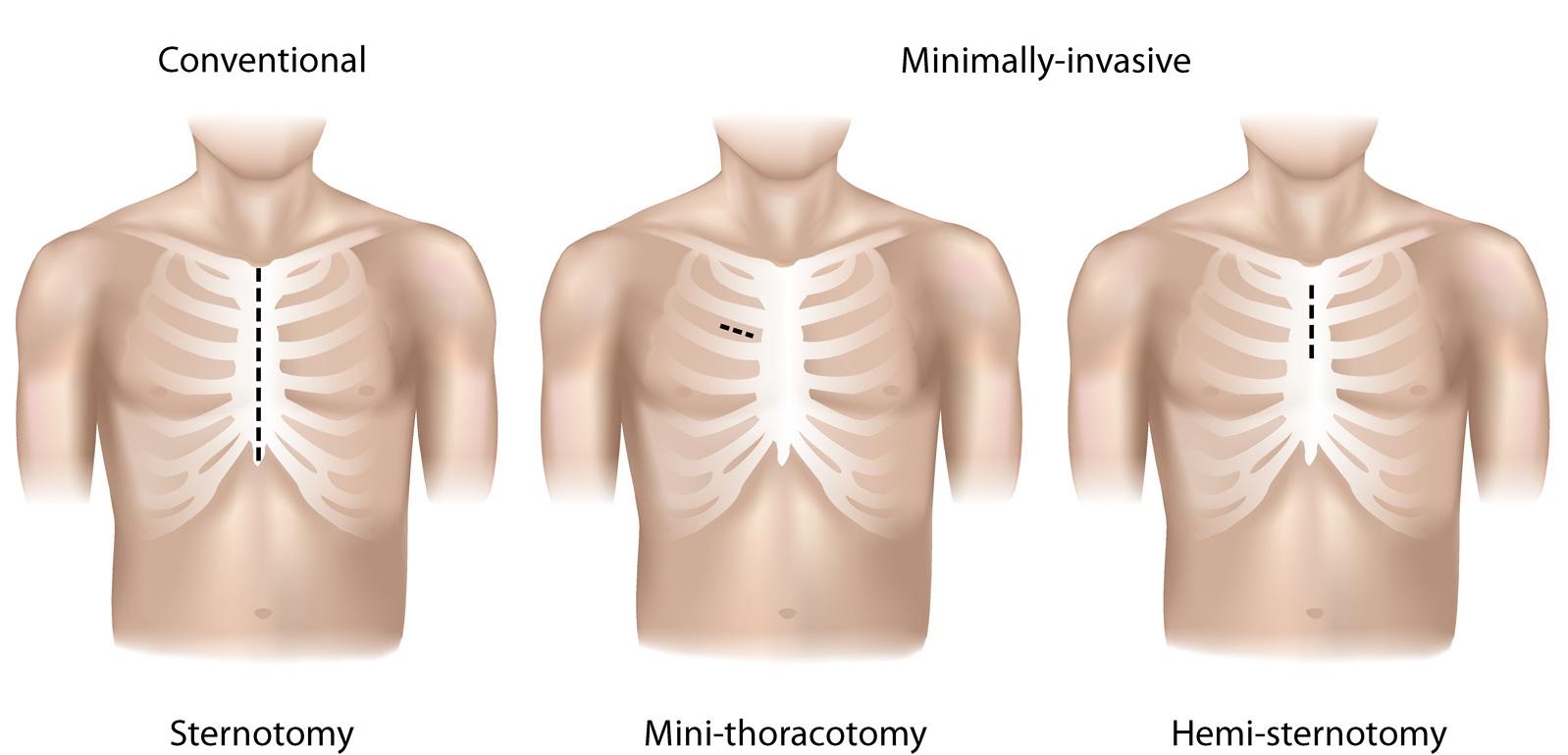
- Small incisions are made between the ribs.
- Specialized surgical instruments and cameras are used.
- The surgeon performs the procedure with high precision.
- In some cases, robotic-assisted technology may be used for better accuracy.
This approach avoids large chest cuts and may reduce damage to surrounding tissues.
Benefits of Minimally Invasive Cardiac Surgery
- Smaller incisions and minimal scarring
- Less pain after surgery
- Reduced blood loss
- Lower risk of infection
- Shorter hospital stay
- Faster recovery and return to daily activities
Recovery After Surgery
Most patients experience:
- Faster healing
- Reduced discomfort
- Early movement and walking
- Shorter recovery time compared to traditional open-heart surgery
Patients are advised to follow:
- Prescribed medications
- Healthy lifestyle habits
- Regular cardiac follow-up
Risks and Complications
Although considered safe and effective, possible risks may include:
- Bleeding
- Infection
- Irregular heartbeat
- Breathing difficulties
- Rare surgical complications
The risk is generally lower when performed by experienced cardiac specialists.
Expert Cardiac Care
Dr. Saeed Akhtar offers advanced minimally invasive cardiac procedures with modern surgical techniques focused on safety, precision, faster recovery, and improved patient outcomes.